

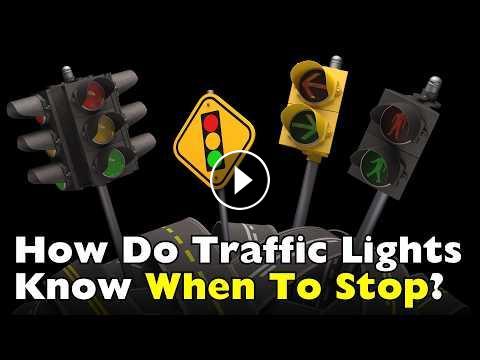
You stop at a red light, wait a few seconds, and eventually it turns green. Simple, right? Not quite. Behind those three familiar colors is an entire system of controllers, sensors, timing plans, engineering studies, and transportation rules. Some signals run on programmed schedules, while others respond to vehicles, pedestrians, and changing traffic conditions. But who actually decides when they change, and why can a light stay red even when the road looks completely empty?
From early mechanical signals to modern computer-controlled intersections, traffic lights have evolved into surprisingly complex systems. In this video, we’ll look inside the technology, uncover how engineers coordinate signals across entire roads, and explain what happens when the system gets bad information. The next time you sit at a red light, you might look at it very differently.
---
- Category
- Automotive


-
32:50

-
02:03

-
01:33

-
01:43

-
06:29

-
08:14
![Detroit 1930s in color, Home Movie [60fps, Remastered] w/Sound Design #Video](https://mvotd.com/uploads/thumbs/13c4d2f5a-1.jpg)
-
12:20
-
08:05

-
08:01

-
04:35

-
04:09

-
08:22

-
07:16

-
1:59:29

-
03:59

-
03:49

-
08:30
-
05:50

-
04:00

-
1:02:36
-
08:40

 Loading...